Best Affordable Hearing Aids in the USA 2026


Among people wearing budget over-the-counter hearing aids under $400, only 48% are satisfied. Among people fitted properly through a clinic or a professional provider, satisfaction runs 77% to 82%.
Same hearing loss. Very different outcomes. The cheapest hearing aid is often the most expensive thing you can buy, because a device that ends up in a drawer costs you everything and returns nothing.
Affordable is a different thing entirely. Here’s what it looks like in 2026.
Summary
Affordable hearing aids in the USA start around $399 per device and run to roughly $3,700 for flagship models. The biggest saving isn’t finding a discount, it’s choosing the right technology level, which can cut the price by more than half on the same platform. Private clinics average $4,727 per pair without insurance, so buying online from an authorized provider is where most of the real savings sits.
Key Takeaways
- Affordable hearing aids at USA Hearing Experts start from $399 per device
- The Oticon Zircon range starts at $699 per device
- Private clinics average $4,727 per pair without insurance
- Only 48% of users are satisfied with sub-$400 OTC devices
- Technology level saves more money than any discount
- Most listings are per device most people need two
- Free shipping and a 30-day return window are included on every order
Table of Contents
What Does "Affordable" Actually Mean?
Budget hearing aids come in three forms, and they lead to very different results. Hearing aid prices alone won’t tell you which you’re looking at.
Budget OTC devices under $400. Bought online, self-fitted, no professional involvement. Cheapest by a wide margin and the satisfaction data above tells you what that trades away.
Prescription hearing aids at traditional clinics. Averaging $4,727 per pair without insurance. Excellent care bundled in, but you’re paying for a year of appointments whether you use them or not.
Prescription hearing aids bought online from an authorized provider. Same devices, same brands, programmed to your audiogram without the clinic overhead. This is where most people find genuine value.
The third route is what this article covers.
Which Are the Best Affordable Hearing Aids?
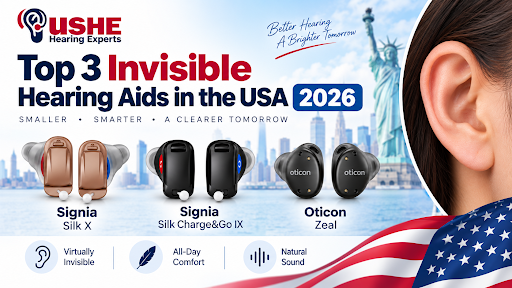
The most affordable hearing aids at USA Hearing Experts start at $399 for the Signia Silk X, with entry-level Oticon models from $449 and the Zircon range from $699. Cheapest first. Ranges show a single device at the low end and a pair at the high end.
|
Model |
Style |
Best for |
Price |
|---|---|---|---|
|
Invisible CIC |
Discretion on a budget |
$399 – $3,399 |
|
|
Oticon entry BTE |
BTE |
Straightforward amplification |
$449 – $898 |
|
BTE |
Severe loss on a tight budget |
$699 – $1,398 |
|
|
RIC / BTE |
Mild to severe, everyday use |
$699 – $1,699 |
|
|
Invisible CIC |
Rechargeable and invisible |
$999 |
|
|
RIC |
Modern platform, entry tier |
$1,299 – $2,199 |
Across the full Oticon range, pricing runs from $449 to $3,700 per device depending on model, technology level and whether you order one ear or two.
How Can You Spend Less Without Buying the Wrong Thing?
Four practical moves save real money without costing you performance you’d actually notice.
Step down a technology level, not a brand. This is where hearing aid prices actually move. Every manufacturer sells the same hearing aid at several tiers, same shell, same connectivity, less automatic processing as you go down. If your week is mostly quiet rooms, television and one-to-one conversation, a lower tier often performs identically for you. That’s usually the largest single saving available.
Consider a previous-generation platform. Oticon Zircon runs the same Polaris chip as Oticon’s former flagship. It’s a generation behind the newest models, and for straightforward hearing loss that gap matters far less than the price difference does.
Check the ear count on every quote. Many hearing aid prices are listed per device. A figure that looks like a bargain against a clinic price may describe half of what you need.
Buy from an authorized provider. Manufacturer warranties generally only apply through authorized sellers, and a hearing aid without a valid warranty is an expensive paperweight the moment something fails.
What Shouldn't You Compromise On?
Three things are worth paying for even on a tight budget: programming to your audiogram, a real return window, and someone to ask when something needs adjusting.
Programming to your audiogram. A prescription hearing aid that isn’t set to your hearing loss does almost nothing useful. This is the single biggest difference between the 48% satisfaction figure and the 80% one.
A real return window. You need enough time to wear them in your actual life before committing. Every order here includes 30 days.
Someone to ask. Hearing aids need adjusting as you adapt. Find out what support looks like in month eight, not just week one.
When Should You See an Audiologist?
A hearing test tells you which styles and technology levels actually suit your loss. Without it you’re guessing, and guessing wrong is how affordable becomes expensive.
See a professional promptly rather than shopping if you have sudden hearing loss in one ear, ear pain, drainage, dizziness, or ringing in only one ear. Those need medical attention first.
Conclusion
Affordable hearing aids in 2026 are genuinely good, and the gap between a well-chosen entry-level device and a flagship is smaller than the price difference suggests for most people. What the satisfaction data makes clear, though, is that the saving has to come from the right place. Stepping down a technology level or choosing a previous-generation platform costs you very little in daily use, because the automatic processing you’re giving up mostly works in environments you may rarely be in.
Skipping professional programming is a completely different decision, and it’s the one that turns a bargain into a device nobody wears. So be honest about your week, get your hearing tested before you spend anything, and spend where it actually changes what you hear. Done in that order, affordable and effective stop being a trade-off.
Shop Affordable Hearing Aids at USA Hearing Experts
Send us your hearing test report and we’ll tell you honestly which technology level suits your results including when a lower tier would serve you just as well.
Every device is programmed to your audiogram by our team, ships free across the United States, and comes with a 30-day return window.
Call (469) 432-4011 or shop hearing aids to compare current prices.
Frequently Asked Questions (FAQs)
At USA Hearing Experts, prices start from $399 per device for the Signia Silk X, with entry-level Oticon BTE models from $449 and the Oticon Zircon range from $699. Across the full Oticon range, pricing runs from $449 to $3,700 per device depending on model and technology level.
It depends what "cheap" means. Lower technology levels from major brands perform well for straightforward hearing loss in quieter environments. Budget over-the-counter devices under $400 are a different matter; satisfaction among those users sits at around 48%, against 77% to 82% for professionally fitted devices.
Choose a lower technology level rather than a different brand that's usually the largest single saving on the same platform, and it moves hearing aid prices more than any discount. Consider previous-generation models, confirm whether a quote covers one ear or two, and buy from an authorized provider so the manufacturer warranty holds.
Private clinics in the USA average around $4,727 per pair without insurance, with premium brands typically $3,800 to $4,200 per pair. That price bundles in-person fittings and a year of follow-up appointments, which is genuine value for some buyers and unused cost for others.
Prescription hearing aids do, because they must be programmed to your specific hearing loss. A test also confirms which styles and technology levels suit you. Buying on price alone is the most common reason hearing aids end up unused in a drawer.
Ready to Find Your Perfect Oticon with USA Hearing Experts?
We offer a free comprehensive hearing test, a trial of both Oticon Own AND Oticon Zeal, real-world testing guidance, an honest comparison, flexible financing, and expert audiologists.